Key Considerations for Choosing Equipment Rollers
Explore essential factors for selecting equipment rollers in India, focusing on performance, durability, and compatibility with your machinery.
Tags
Table of Contents
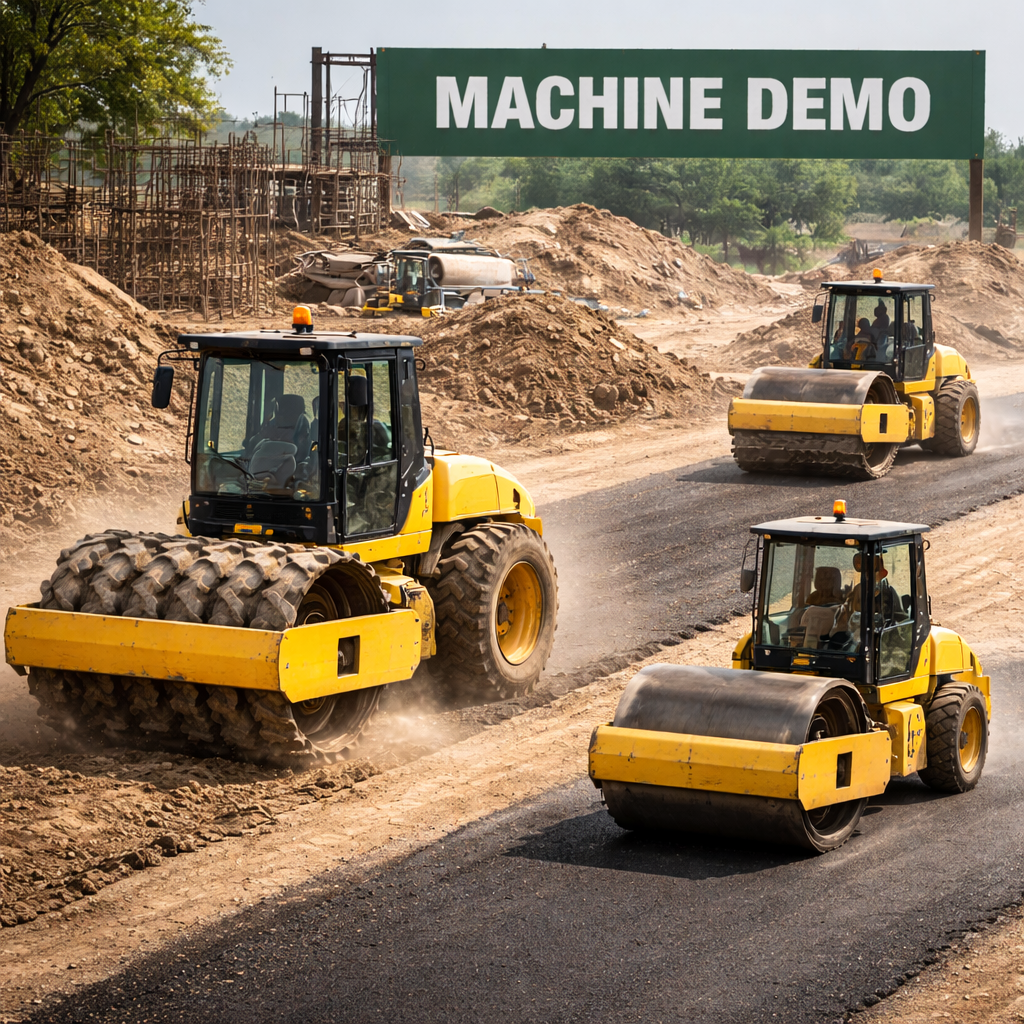
When it comes to choosing equipment rollers for your agricultural and construction needs, the decision can feel overwhelming. With a variety of options available, it's essential to focus on performance, durability, and compatibility with your existing machinery. This guide will help you make an informed choice by discussing the key considerations for selecting equipment rollers suited for the Indian environment.
Performance Factors to Consider
Performance is paramount when selecting equipment rollers. You need to ensure that the roller can withstand the demands of Indian terrains and tasks. Here are some performance aspects to evaluate:
- Weight and Density: Heavier rollers tend to provide better compaction and stability.
- Roll Diameter: A larger diameter often leads to smoother operations on uneven surfaces.
- Speed of Operation: Consider the speed at which the roller operates; efficiency means getting the job done quicker.
- Hydraulic Features: Hydraulic systems can enhance the performance for tough jobs, offering adjustable pressure based on soil conditions.
Durability in Harsh Conditions
The Indian climate can be unforgiving. Selecting durable equipment rollers is essential to ensure a long lifespan and consistent performance. Pay close attention to the following:
- Material Quality: Look for rollers made from high-grade steel or reinforced materials that resist wear and tear.
- Finish and Coating: A good finish protects against rust and corrosion, which is key for rollers used in wet conditions.
- Maintenance Needs: Consider rollers that offer ease of maintenance. Regular servicing should be straightforward to minimize downtime.
Compatibility with Existing Machinery
It's essential that the equipment roller you choose integrates well with your existing fleet. Highlight the following compatibility checks:
- Attachment Types: Ensure the roller is compatible with the attachments you already have.
- Power Source Requirements: Integrate the roller’s power specifications with your machinery's capability for optimal results.
- Operational Ease: The interface between the roller and your equipment should facilitate easy handling and operation.
Comparing Popular Equipment Rollers
To help you visualize your options, here’s a table comparing popular equipment rollers based on key specifications:
| Roller Model | Weight (kg) | Diameter (mm) | Material | Price (₹) |
|---|---|---|---|---|
| Model A | 2000 | 1200 | High-Grade Steel | ₹ 1,50,000 |
| Model B | 2500 | 1500 | Reinforced Alloy | ₹ 2,00,000 |
| Model C | 3000 | 1800 | Steel-Coated | ₹ 2,50,000 |
Final Thoughts
Choosing the right equipment roller involves careful consideration of performance, durability, and compatibility with your existing machinery. Each factor plays a pivotal role in ensuring that you maximize your investment and enhance operational efficiency. Don't hesitate to compare quotes and explore verified suppliers to find the best equipment rollers tailored to your specific needs. Equip yourself with the right machinery today!
Frequently Asked Questions
What should I consider regarding the performance of equipment rollers?
When evaluating performance, focus on weight, roll diameter, speed of operation, and hydraulic features to ensure optimal results for Indian terrains.
How do I ensure the durability of equipment rollers in tough conditions?
Look for high-grade materials, protective finishes, and ease of maintenance to ensure longevity and reliability in harsh climates.
What compatibility checks are essential for equipment rollers?
Ensure the roller's attachment types and power source requirements align with your existing machinery for seamless operation.