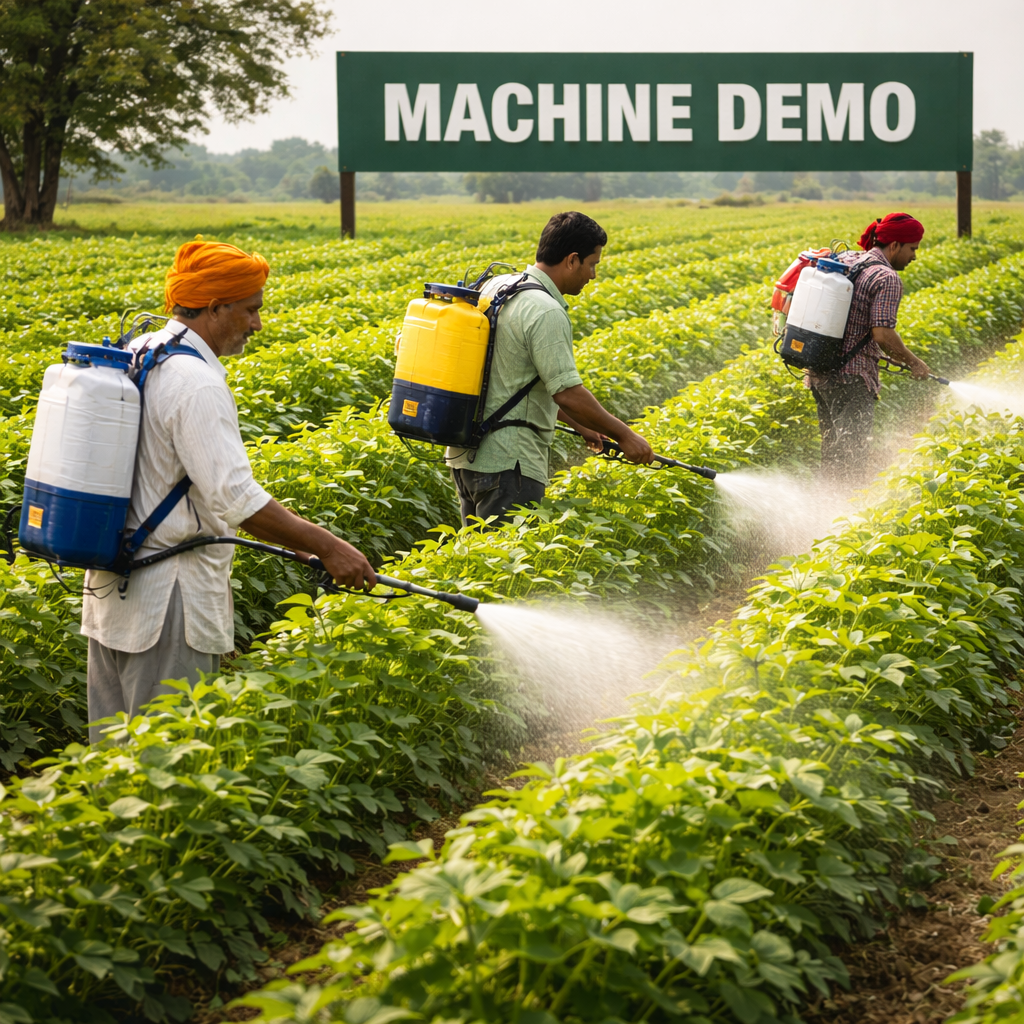
Key Considerations for Choosing the Right Sprayer Pump
Discover essential tips for selecting the right sprayer pump for your agricultural needs in India. Focus on capacity, power source, and application types.
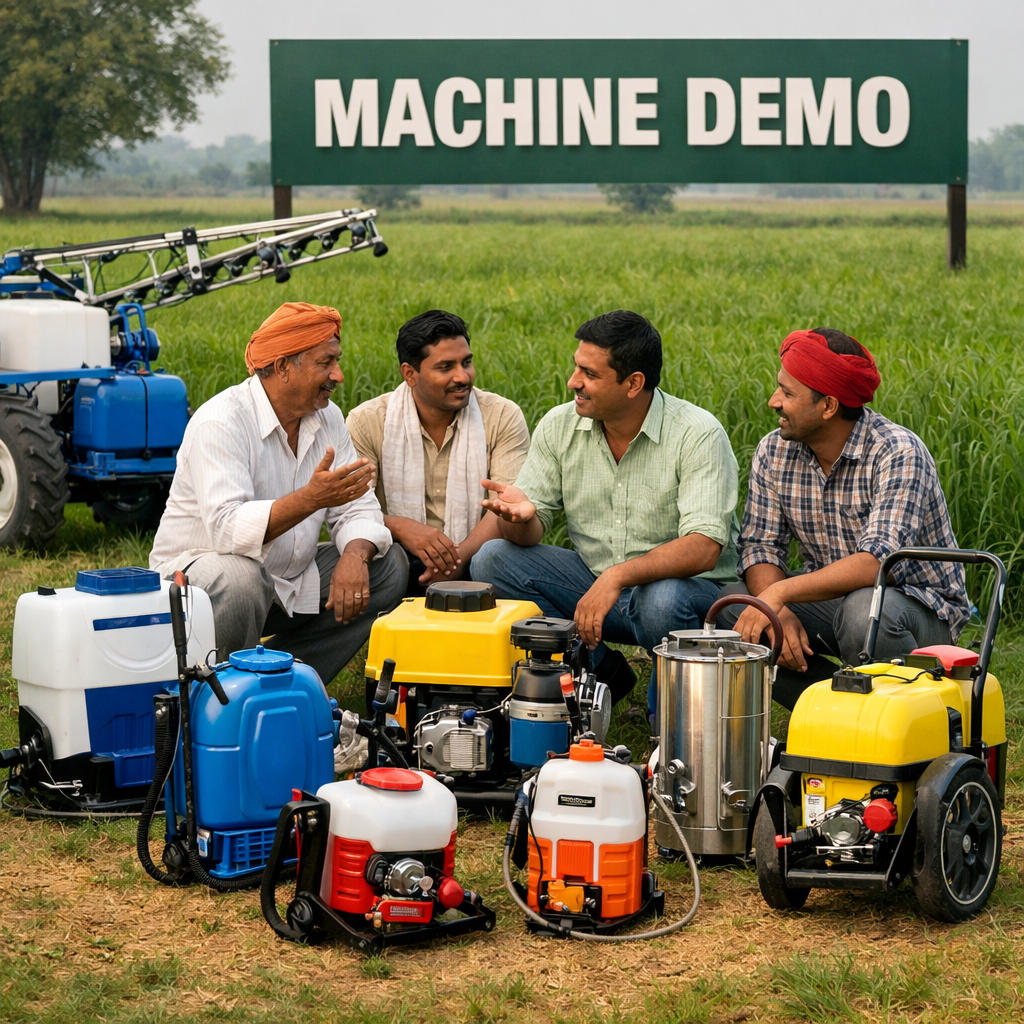
Tags
Table of Contents
Choosing the right sprayer pump is a game-changer for your agricultural needs. It can determine the effectiveness of pesticide application, fertilizer dispersion, or herbicide use. In this guide, you will discover practical tips and common pitfalls to avoid when selecting your sprayer pump. Let’s get straight to the essential factors: capacity, power source, and application types.
Understanding Sprayer Pump Capacity
Capacity indicates how much liquid the pump can deliver per minute, typically measured in litres per minute (LPM). This aspect directly affects your efficiency and productivity.
- High Capacity: Ideal for large fields. A sprayer pump with a capacity of 30 LPM and above can cover significant areas quickly.
- Medium Capacity: Good for medium-sized farms. Pumps offering 15 to 30 LPM strike a balance for varied applications.
- Low Capacity: Suitable for small gardens or targeted applications. Usually under 15 LPM.
Choosing the Right Power Source
Sprayer pumps come in three types based on power sources: electric, petrol, and battery-operated. Each has its benefits and limitations.
- Electric Pumps: Silent and efficient but require a reliable power source. Best for stationary setups.
- Petrol Pumps: Strong power and mobility. Ideal for large areas, but be prepared for fuel costs and refills.
- Battery-Operated Pumps: Portable and flexible. A great choice for hard-to-reach places, though battery life is limited.
Types of Applications
Your chosen pump should align with the specific applications you’re tackling. Different tasks require different spray characteristics.
- Pesticide Application: Requires a pump capable of creating a fine mist to ensure even coverage.
- Fertilizers: Look for pumps that can handle thicker liquids, as these require more power to spray effectively.
- Herbicide Use: Opt for a pump with adjustable spray patterns for precision targeting.
Common Pitfalls to Avoid
Choosing the wrong sprayer pump can lead to costly mistakes and wasted time. Here are some frequent pitfalls to steer clear of:
- Ignoring Capacity Needs: Selecting a pump without considering field size can lead to inefficiency.
- Overlooking Power Source Compatibility: Ensure you have access to the required power source for compatibility with your pump.
- Neglecting Maintenance: Pumps require proper care. Check for parts that need replacing regularly to extend the pump's lifespan.
Key Specifications to Consider
Here’s a quick comparison to help you evaluate your options better.
| Specification | Low-Capacity Pump | Medium-Capacity Pump | High-Capacity Pump |
|---|---|---|---|
| Flow Rate (LPM) | Up to 15 | 15 to 30 | 30 and above |
| Ideal Use | Small gardens | Medium farms | Large fields |
| Typical Power Source | Battery/Electric | Petrol | Petrol/Electric |
| Price Range (₹) | 5,000 - 15,000 | 15,000 - 30,000 | 30,000 and above |
With all the information laid out, you’re now better prepared to select the right sprayer pump that fits your needs. Don’t overlook the importance of this decision; your farm's efficiency relies heavily on it.
Start comparing quotes today and find verified suppliers on MachineDemo to make the best choice for your agricultural demands.
Frequently Asked Questions
What capacity should I look for in a sprayer pump?
Choose a pump capacity based on your field size: up to 15 LPM for small gardens, 15-30 LPM for medium farms, and above 30 LPM for large fields.
What power source is best for a sprayer pump?
Electric pumps are ideal for stationary use, petrol pumps offer mobility for larger areas, while battery-operated pumps are great for hard-to-reach spots.
How do I maintain my sprayer pump?
Regularly check parts for replacement needs and ensure proper cleaning to extend the lifespan and efficiency of your sprayer pump.